How Cyber Crime is Challenging Banks to Comply with AML Regulations
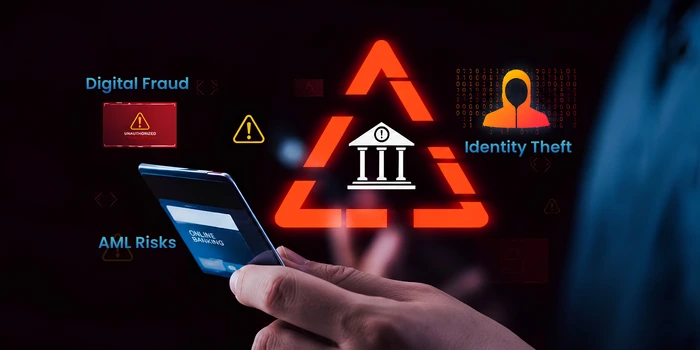
As digital banking continues to grow, cybercrime is becoming one of the biggest challenges for financial institutions worldwide. Cybercriminals are leveraging advanced technologies to exploit banking systems in several ways, including phishing, ransomware, identity theft, and fraudulent digital transactions. Banks are also anticipated to adhere tightly to Anti Money Laundering (AML) regulations to ward off any illegal financial activities.
Cybercrime is becoming an increasingly intertwined aspect of money laundering, creating the need for a more complex AML compliance approach than ever before.
The Rising Threat of Cybercrime in Banking
Digital banking like mobile banking, UPI payments, internet banking and real-time transactions play a key role in modern banking. These technologies bring convenience to customers, but also provide cybercriminals with an opportunity to transfer illicit funds rapidly and anonymously.
Cybercriminals often use:
- Malware attacks
- Cryptocurrency channels
- Automated bot transactions
- Stolen identities
- Fake accounts
- Phishing scams
These methods can pose challenges for banks in identifying suspicious transactions through conventional AML methods.
How Cybercrime Impacts AML Compliance
1. Increase in Suspicious Transactions
The banks process millions of digital transactions every day. This significant volume of transactions makes it easy for cybercriminals to mask illegal transactions and transactions within the normal course of legitimate activities. This will lead to more suspicious alerts and to more complexities while monitoring AML.
2. Sophisticated Fraud Techniques
Now, AI-driven fraud techniques and automated attacks are employed to circumvent security measures. These ever-changing threats are often not detected in real time by traditional AML tools.
3. Identity Theft and Synthetic Identities
Fraudsters open bank accounts using false digital identities or stealing customers' personal information. Such accounts are then leveraged for money-laUNDERING, making KYC and AML verification much more difficult.
4. Faster Digital Payments
Instant payment systems and real-time banking means that illegal funds can be transferred between accounts in seconds. It is imperative that banks identify suspicious activity as soon as it occurs, in order to prevent compliance risks.
5. Regulatory Pressure
The financial regulators believe that banks need to continuously enhance their AML compliance frameworks. The lack of detection of any laundering activity related to cybercrime can have serious repercussions, such as the loss of fines, reputation and legal liability.
The Role of AI and Advanced Banking Technology
To fight cybercrime and enhance AML compliance, banks are turning to technology that has evolved to include:
- Artificial Intelligence (AI)
- Machine Learning (ML)
- Real-time transaction monitoring
- Behavioral analytics
- Automated fraud detection systems
AML solutions powered by AI can process huge amounts of transaction data, flag unusual activity in a timely fashion, cut down on false alerts, and identify suspicious activity more quickly than would a traditional setup.
How Core Banking Solutions Help
Today's core banking solutions are an essential part of the reinforcement of AML compliance. Integrated banking platforms help financial institutions:
- Track transactions on the fly
- Automate AML reporting
- Enhance customer verification procedures
- Detect suspicious behavior instantly
- Ensure regulatory compliance effectively
Intelligent banking systems enable banks to respond to cyber threats more effectively, and to boost efficiency, too.
The Future of AML in Banking
As cybercrime evolves, so will AML compliance and it will become more of a technological approach. To remain compliant and secure, banks need to invest in smarter digital banking infrastructure, AI-powered monitoring systems, and enhanced cybersecurity solutions.
Financial institutions implementing the latest AML technology solutions now will be more well-equipped to handle future cyber threats and regulatory obligations.
Conclusion
The banking sector is being transformed by cybercrime and that's a huge problem for AML compliance. The traditional approaches to monitoring are simply inadequate in the face of increasingly complex digital money laundering and fraud methods.
With the help of AI-driven AML solutions, real-time monitoring capabilities, and cutting-edge core banking systems, banks can enhance their compliance protocols, minimize the risk of fraud, and create a more secure digital banking experience for the future.