Real-Time Payment Reconciliation: How SaaS Platforms Are Eliminating Manual Errors for Banks
Introduction
Indian banks handle hundreds of millions of transactions every day in UPI, NEFT, RTGS and IMPS. There is a very important process, although invisible, behind every successful payment, and its name is reconciliation. Over decades this has been a manual, error-prone and time-consuming back-office operation that silently consumes resources and poses financial risk.
SaaS-based real-time reconciliation platforms are transforming that equation today. Banks and NBFCs formerly sending out full teams to pair matching transactions and hunt exceptions are now doing it automatically at scale, in real-time, with essentially zero errors.
The Real Cost of Manual Reconciliation
The process of manual reconciliation generally includes downloading transaction files of various payment rails, cross-matching entries in core banking systems with the help of the Excel, manually detecting discrepancies, and generating reports hours after the transactions have taken place.
The consequences are significant:
- Loss of finances due to unnoticed duplicate payments or reversals.
- Reporting risk: inaccurate or delayed settlement reporting by the regulators.
- Expensive operations due to big back-office reconciliation departments.
- Unsatisfied customers due to the failed transactions that have not been resolved.
The cost of reconciliation manpower in India alone (not including any other cost) in large banks is between ₹2 crore and 15 crore per year, which is being radically saved by SaaS platforms.
What Real-Time Reconciliation Does.
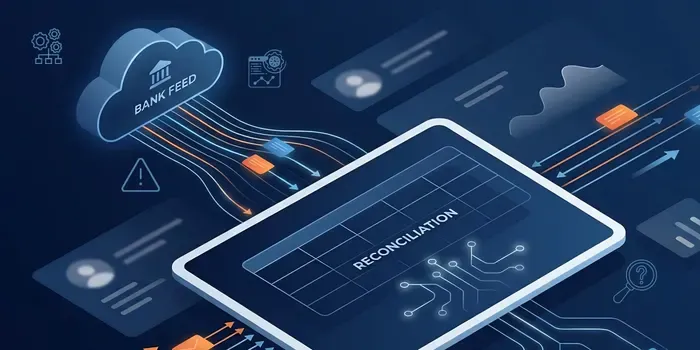
A SaaS reconciliation platform is a smart middleware layer that takes in transaction data on all payment rails through APIs, automatically reconciles records with configurable rules, issues flags on exceptions in real-time, initiates resolution processes, and produces audit-ready reports in real-time.
Rather than finding a mismatch in the morning, your operations team has been notified in seconds, already knowing the context of the transaction and proposed corrective actions are included.
Key Capabilities That Make the Difference
- Multi-Rail Integration integrates all the payment channels: UPI, NEFT, RTGS, IMPS, NACH, and card networks, into one reconciliation engine, and siloed processes are eliminated.
- Exception Detection is an AI-Powered tool that detects duplicate transactions, delays in settlements, and volume abnormalities before they escalate into larger issues.
- Automated Regulatory Reporting creates RBI-ready audit trails and reports on an ongoing basis, ensuring the banks are always ready to be inspected.
- No-Code Rules Engine enables operation teams to set up equivalent logic devoid of submitting IT tickets or awaiting vendor help.
- Real-Time Dashboards provide the management with real-time visibility into match rates, pending exceptions, and settlement positions in all channels.
Measurable Results for Banks and NBFCs
Through SaaS-based reconciliation, financial institutions can save a great deal of operational efficiency and improve accuracy, dependence on manual processes, and simplify the exception handling process. The outcome is improved reconciliation cycles, enhanced compliance and increased customer satisfaction.
What to consider in a SaaS Reconciliation Partner
In considering platforms, banks must focus on strong integration with existing core banking systems, RBI data localisation compliance, configurable workflows, 99.9% uptime SLAs, and dedicated support during Indian banking hours - such as weekends and peak transaction days.
Conclusion
The operational and financial risk of manual reconciliation cannot be overlooked as the digital payment volumes in India exceed 17 billion UPI transactions every month. Enterprise level reconciliation is now affordable to banks and NBFCs of all sizes thanks to SaaS platforms.